The symptoms of magnesium deficiency are easy to recognize. These include headaches, poor sleep, nervousness and difficulty relaxing, stiff joints, and high blood pressure. Magnesium deficiency is more common than calcium deficiency. Yet, it is just as important, if not more so, than calcium, as it is involved in over 300 metabolic reactions in the body. Part of its most fundamental role lies in the proper metabolism of cholesterol, triglycerides, and carbohydrates. Foods richest in magnesium include green leafy vegetables, seeds (pumpkin, sunflower, and sesame), as well as legumes and fish. A typical Western diet lacks adequate levels of magnesium. Our modern Western lifestyle and poor diet (high in refined carbohydrates) increase our magnesium needs.
Often, symptoms of magnesium deficiency can be resolved by consuming enough magnesium, but several factors limit magnesium absorption, and therefore recovery:
Magnesium found in food or supplements is usually bound to another atom or molecule. Once ingested, the body must release it (make it an ion) to absorb it. The release (also called ionization) of magnesium is very limited and is further restricted when a person's digestive health is poor. Ionization is important because magnesium can only be used when it is in its free (ionic) form, not when it is attached to other molecules (such as magnesium citrate, magnesium oxide, etc.).
Mineral and vitamin molecules clump together into relatively large clusters. The body must dissolve these clusters for optimal ionization and absorption of magnesium.
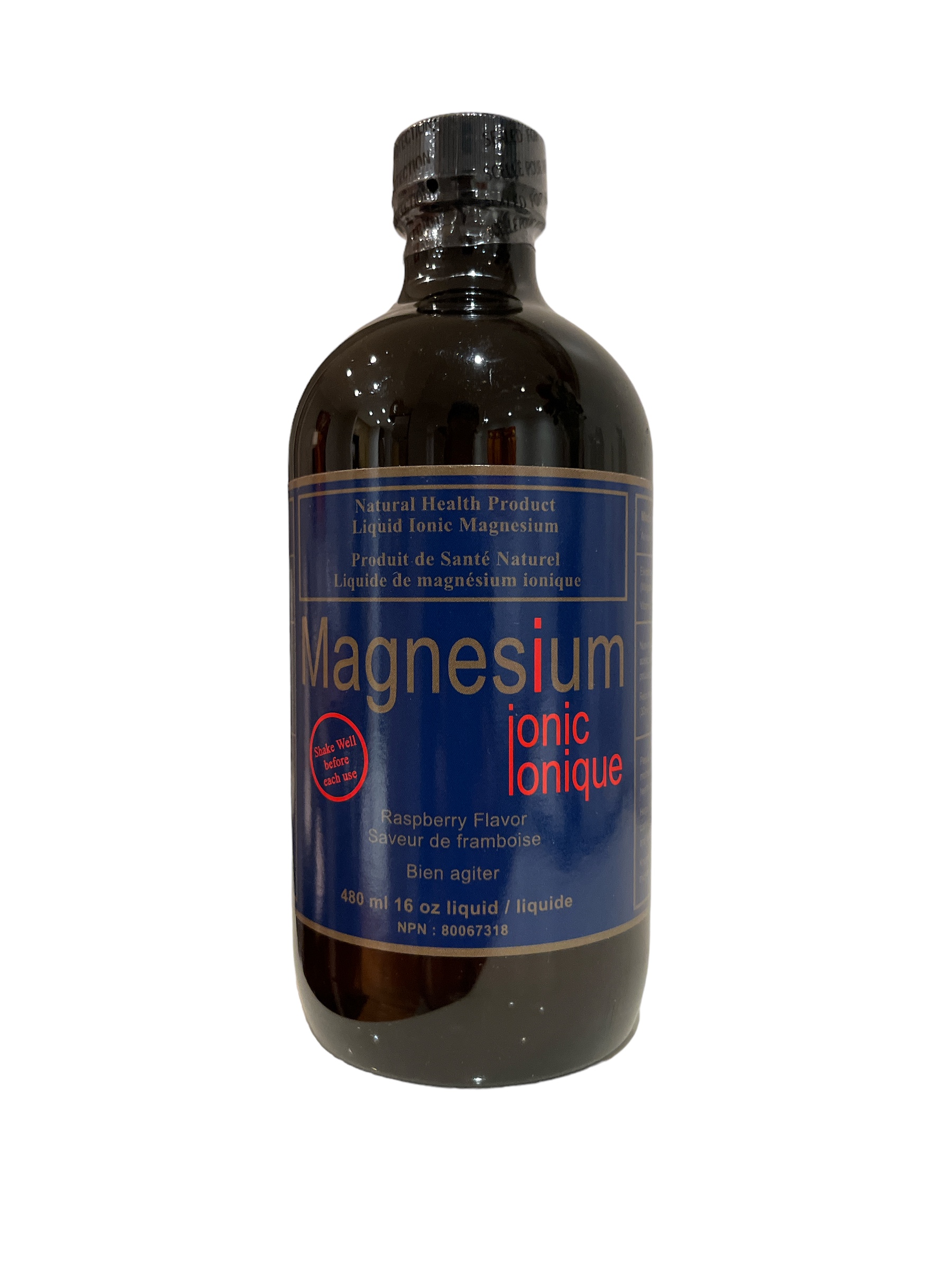
Vitamin D Deficiency – The ideal transport of magnesium and other minerals into cells occurs through ion channels. However, for this to happen, there must be a sufficient supply of ions at the edge of the ion channel. With poor ionization (described above), this type of absorption is not possible, and the body must resort to another type of absorption called active transport. Active transport requires an adequate amount of vitamin D. Most of us do not get enough of it, especially in the fall and winter. These obstacles also apply to optimal calcium absorption. One type of magnesium product that overcomes all of these obstacles is nano-sized liquid ionic magnesium. It allows for rapid absorption at almost 100 % and, therefore, also results in fairly rapid improvement and resolution of the types of symptoms described above.

 English
  Français